

Exterior House Painter Services in Omaha, NE
Scott's Painting & Staining Inc. is a locally owned painting company, based in Omaha, NE. We serve the Omaha, NE and surrounding areas.
Proudly serving the following Zip Codes:
68022, 68116, 68118, 68122, 68127, 68130, 68132, 68134, 68135, 68136, 68137, 68138, 68142, 68144, 68154, 68164 in Omaha, NE.
An expertly executed Exterior Paint job not only enhances the visual appeal of your home but also serves to maintain, protect, and increase your home's value, safeguarding it against the harsh elements of the Midwest environment. With a Professional Painting Company like Scott's Painting & Staining Inc., we prioritize meticulous attention to detail ensuring long-term protection and saving you time and money when compared to other local Omaha house painters. We are an exterior house painter who specializes in Exterior House Repair and Exterior Painting, dedicated to preserving and beautifying your home for years to come. If you are curious about the Best Time to Paint your House in Omaha NE be sure to check out our blog.
Finding an Exterior House Painter near me
Curb appeal of your home can greatly improve your happiness. Coming home each day and pulling into the driveway of a home that you feel good about can decrease your stress levels and bring a smile to your face. However, what is behind that great looking finish coat such as the hidden latex primer, oil-based primer, caulking and their application techniques is essential to avoiding costly siding repairs
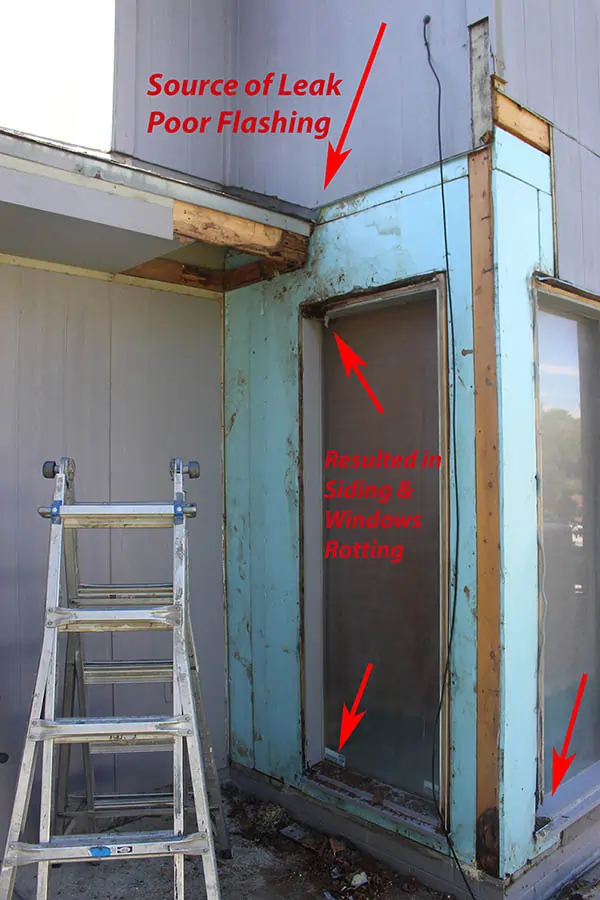
90% of the homes we service generally have some degree of siding decay or rot. We specialize in tearing-out & repairing the sub-structure and replacing the siding. Through our repair experience we are able to not only properly install new siding but also proactively stop future issues by employing advanced sealing and preparation techniques learned through our years of siding specialization. Figure 1 shows the result once the rotted siding is removed.
Call us for a complimentary estimate and evaluation if you are in the Omaha, La Vista, Papillion, or Bellevue area.
Quick links - on this page:
- Full Exterior Painting Services
- Power Washing
- Scrape Paint
- Priming
- Nail Heads
- Caulking
- Masking
- Exterior Painting
- Before Painting Begins
- Trim Landscaping
- Exterior Repairs
- Dumpster
- Insulation
- Planning
- Sprinklers
Full Exterior House Painter Services - Step by Step
High-Pressure Power Washing
- The entire house is cleaned with a high-pressure wash. In extreme cases a chemical cleaner may be used on the house to achieve maximum cleansing. Pressure washing will remove dirt and mildew on the house. Additionally, some loose paint will be removed. Power washing will leave a clean surface for maximum new paint adhesion. Be cautious of any painting contractor that does not include a thorough high-pressure washing in the proposal. The house will be allowed to dry out before any painting begins.
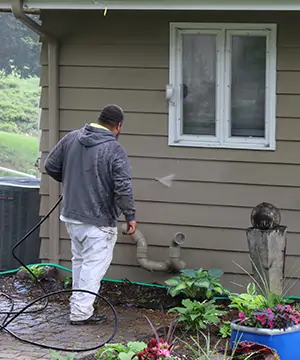
Figure 2. High-Pressure Power Washing Hand Scrape Loose Paint
- Remaining peeling or loose paint on the house that was not removed by the high-pressure washing will be hand scraped. Scraping paint by hand is the best way to remove peeling paint from the surface because power washing can cause the paint to peel further by loosening the edges of the paint and hand scraping is required to properly prepare the new surfaces for painting. This is one of the most important, yet tedious, parts of the job.
Priming and Painting Bare Wood & Rusted Metals
- Priming is another important area that needs to be addressed before painting begins. All bare wood surfaces and stains will be primed with one of the following primers.
- Latex based "Peel Stop" Primer - Performs like a glue to actually bond the edges of the old layers of peeling paint to the bare wood surfaces. This helps prevent future peeling from all the layers of paint.
- Oil-based, Stain-Blocking Primer - Contains special stain-blockers that are able to block rust and tannin better than latex based primers. Woods such as new cedar, are prone to tannin staining.
Definition of Tannin: Tan or brownish discoloration on the paint surface. Tannins exist in many woods, most notably cedar and redwood and can bleed through to the surface, leaving a yellowish-brown stain on the surface. These stains are more noticeable on lighter paint colors. - Concrete & Masonry Primer - Seals and conditions porous, above-grade masonry surfaces. It tolerates the high pH common in new masonry and ensures a uniform look and long-lasting finish coat of paint.
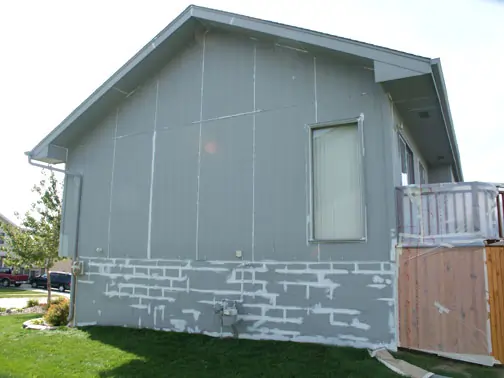
Figure 3. Oil-Based Primer & Concrete Masonry Primer
Any of these primers may be used after allowing the wood to dry, depending on the conditions required on your home. Oil-based primers soak into new wood better and are also used on rusting areas, such as around gas meter, prior to painting. Oil-based primer works better keeping steel gas meters and other steel surfaces from rusting in the future. Notice the amount of white primer in Figure 3, that Scott's Painting & Staining Inc. painters in Omaha apply to give a professional looking finish coat. This photo also shows the efflorescence coming out of the concrete block foundation that was scraped off and treated with a Concrete & Masonry Primer designed to help control efflorescence.
- Priming is another important area that needs to be addressed before painting begins. All bare wood surfaces and stains will be primed with one of the following primers.
Secure Loose Nails & Caulk Recessed Nail Heads
- Any nails that have loosened their way from the house will either be replaced or recessed flush to the surface. By resetting loose nails, the panel joints will be tighter which will aid the caulking to completely seal the house. This not only reduces energy bills but keeps the siding from flexing, which can cause caulking to split prematurely. When Scott's Painting & Staining Inc. replaces siding or does any carpentry work, ring shank nails are used which can slide into the wood but the arrow shaped rings keep them from loosening back out over time.
A key point in persevering hardboard siding is properly sealing any and all areas that water can penetrate. One of the most overlooked areas is punctured nail heads. This can occur from over-driving the nails when the siding is installed or as the siding swells the nail heads become recessed which exposes the surface to water and accelerated rotting. We will completely seal all punctured nail heads with a premium-grade caulk prior to any finish painting to protect your house exterior.
- Any nails that have loosened their way from the house will either be replaced or recessed flush to the surface. By resetting loose nails, the panel joints will be tighter which will aid the caulking to completely seal the house. This not only reduces energy bills but keeps the siding from flexing, which can cause caulking to split prematurely. When Scott's Painting & Staining Inc. replaces siding or does any carpentry work, ring shank nails are used which can slide into the wood but the arrow shaped rings keep them from loosening back out over time.
Caulking - Exterior House Painter
- A major difference you will notice in the quality of a Scott's Painting & Staining Inc. job is the amount of caulking we use. If your home is constructed with any type of hardboard siding (Hardboard Horizontal Lap siding or Hardboard Vertical siding), it is critical that all seams and punctures are sealed with a premium-grade caulking. Just priming and painting will not do.
Old cracked and loose caulking will be removed and replaced with a premium Siliconized Acrylic Latex Caulking. Often the original caulking is insufficient and not only leads to higher energy bills, but can allow water into joints which will cause the siding to rot and decay. Our exterior house painters are specialized in siding replacement so we are highly-skilled at knowing where these problem areas are. As a result, we ensure the entire house is caulked in all the right areas on every job. All joints, seams and punctured nail holes will be caulked.
If you want a quick caulking job, then our Omaha exterior house painters are not the contractor for you. We can also offer a highly flexible polyurethane sealant such as OSI Quad sealant, during new carpentry installations. Notice how the 4x8 Hardboard siding is caulked around all edges, in Figure 4, with the exception of the bottom edge to prevent moisture from becoming trapped behind the panel.

Figure 4. Caulking Recessed Nail Heads & Siding Seams - A major difference you will notice in the quality of a Scott's Painting & Staining Inc. job is the amount of caulking we use. If your home is constructed with any type of hardboard siding (Hardboard Horizontal Lap siding or Hardboard Vertical siding), it is critical that all seams and punctures are sealed with a premium-grade caulking. Just priming and painting will not do.
Paint Masking
- Before painting is started, we mask and cover areas that will not be painted, such as brick, concrete, doors and windows. If the windows are clad, they will be masked. If they are wood, then the glass panes may be masked or painted and scraped clean after the window is painted. Some items such as doorbells, lights, and address numbers may be taken down. These items will be put back in place before the job is completed. We spend a lot of time and materials in the masking process to protect your home and its surroundings.

Figure 5. Masking Protection & House Paint Preparation Exterior House Painting
- The entire house painting will be as outlined in the job contract. One area that we pay special attention to is the edge of any Hardboard paneling where it meets the foundation. Our Omaha house painters are also meticulous about ensuring they are properly and thoroughly painted and back-brushed. Sealing these areas of the Hardboard siding is critical to reduce future swelling, rotting and decay. Depending on the type of paint and the method of application, 1-2 coats of exterior latex paint may be required. 100% acrylic latex paint may be applied with a brush, roller, airless sprayer or any combination of the above.
Scott's Painting & Staining Inc. primarily uses Sherwin Williams SuperPaint 25-year warranty in a Satin finish, which carries a 25-year manufacturer warranty. Satin acrylic paint offers better water repellency characteristics than Flat paint, is more durable, and allows for easier cleaning. Additionally, it will give you a beautiful sheen to really make your house pop! You can easily wash down the side of the house with a garden hose to remove dust buildup over the years. Exterior finishes available from Sherwin Williams are:
- Flat - Often the original finish coat for many homes. It hides flaws, swollen wood and siding well, but is not as durable or cleanable as Satin. If you have an older home built with cedar lap, then you will want to use Flat paint. Flat is more breathable than Satin and will allow moisture inside the home to better vent without causing the paint to bubble on older cedar homes.
- Satin - Has a slight sheen as seen in Figure 6. This is our standard paint sheen unless specified otherwise. Satin is more durable and easier to clean than Flat paint. It may highlight rotted or swollen areas in the surface more than a Flat paint. Scott's Painting & Staining Inc. can repair these areas prior to repainting. The house in Figure 6 is finished with Sherwin Williams Super Paint 25-year warranty in a Satin finish, which gives the house a brilliant sheen!
- Semi-Gloss - Glossier than Satin and is primarily used for accent trim such as front doors.
- Gloss - Not generally used in exterior applications.

Figure 6. Sherwin William SuperPaint Satin
- The entire house painting will be as outlined in the job contract. One area that we pay special attention to is the edge of any Hardboard paneling where it meets the foundation. Our Omaha house painters are also meticulous about ensuring they are properly and thoroughly painted and back-brushed. Sealing these areas of the Hardboard siding is critical to reduce future swelling, rotting and decay. Depending on the type of paint and the method of application, 1-2 coats of exterior latex paint may be required. 100% acrylic latex paint may be applied with a brush, roller, airless sprayer or any combination of the above.
Before your House Painter arrives: Client's Prep List
Trim Landscaping for House Painter Access
Is your landscaping growing out of control? Any trees or shrubbery that are against the house will need to be trimmed back at least 1 foot so that enough space is allocated for painting. Not only will this make it easier to properly apply the paint, but it will also keep the fresh paint job from getting marred as the wind moves the plants. Exterior acrylic latex paint takes about 30 days to fully cure and you do not want overgrown shrubs damaging your beautiful new paint job.

Exterior House Repairs - Caution
Items hung on exterior walls, such as pictures, fragile items or small keepsakes on shelves and dressers, should be removed. Small vibrations can cause these items to occasionally fall. This is especially true when exterior siding repairs are done or a window repair or window replacement is performed.
Dumpster for Siding Repairs?
- When siding replacement is performed, the estimates do not include hauling more than 100sq ft. of waste. Most private trash removal companies outside of the Omaha city limits, including La Vista, Papillion, Chalco, Bellevue, Gretna and Bennington will haul a small amount of this waste free of charge. However, you will need to break it down into pieces smaller than 4' x 4'.
If professional waste removal is required, we offer on-site dumpsters for an additional cost. Please inquire prior to the work beginning. On large projects a dumpster may be included as an optional, additional line-item in the estimate. You may use the dumpster as an opportunity for any "Spring Cleaning" after the work is completed, if there is any additional room in the dumpster. Please let us know if you would like the dumpster left in your driveway after all carpentry work is completed.
- When siding replacement is performed, the estimates do not include hauling more than 100sq ft. of waste. Most private trash removal companies outside of the Omaha city limits, including La Vista, Papillion, Chalco, Bellevue, Gretna and Bennington will haul a small amount of this waste free of charge. However, you will need to break it down into pieces smaller than 4' x 4'.
What type of Insulation is in your Exterior Walls?
- The original building contractor may have filled the exterior walls with Styrofoam bead insulation from the ceiling after the home was built. Scott's Painting & Staining Inc. has found this to be true in about 3% of the homes serviced, depending on the area. In these homes you may occasionally find small beads of the white insulation around the edges of the walls, doors, windows or fireplaces. A quick way to determine if the outside wall has Styrofoam bead insulation is to remove a light, phone, or electrical outlet face plate and inspect the surrounding area for any small beads of insulation. If siding is being replaced and your home has Styrofoam bead insulation, some or all of it may be lost when the original panel is removed. Scott's House Painting Omaha can replace the Styrofoam insulation with fiberglass insulation for an additional cost.
Plan for the Unexpected
- While preparing your Omaha house for painting, we will be carefully working on and inspecting every inch of your home. Sometimes additional rotted wood is found after removing peeling paint or siding. Peeling paint on a home is an example of a poorly prepared surface or an area which could be damaged. If any additional damage is found, we will communicate what we find, along with solutions and pricing options. An example of items that may be found while working on your home could be rotten or soft siding or windows, wood-pecker damage, sub-structure damage, etc. We prefer to let the customer know of any issues rather than just painting over them or covering them up. Please see our rotted siding/window replacement page for more information about identifying any problem areas.
Siding Damage from Sprinkler Systems
- Aren't those automatic sprinkler systems great! Not if they are getting your house wet every day. Check that your sprinkler heads (and your neighbor's heads) are not spraying against the house, especially on any hardboard panels. The sprinkler head may not spray the house directly, the mist may drift with a light breeze or wind. This is another good reason to water in the early morning hours when the wind is generally calmer.
The hardboard siding used on many homes is very susceptible to rotting if it gets wet by sprinklers day after day. Sprinkler heads should be at least 1 foot out from the house and should spray away from the house. Any reputable sprinkler company can relocate sprinkler heads or adjust their spray pattern. Keep in mind that drip irrigation in flowerbeds along the side of the house is the best solution, and conserves water. If the builder placed your siding within 1 foot of the soil, this can cause hardboard siding to take on moisture from the soil and cause the wood to rot. Ask us about installing a Lifetime PVC trim on the base of the foundation to add a barrier between the moisture wicking concrete foundation and the bottom of the siding.

Figure 8. Sprinkler Systems - Leading Cause of Siding Decay - Aren't those automatic sprinkler systems great! Not if they are getting your house wet every day. Check that your sprinkler heads (and your neighbor's heads) are not spraying against the house, especially on any hardboard panels. The sprinkler head may not spray the house directly, the mist may drift with a light breeze or wind. This is another good reason to water in the early morning hours when the wind is generally calmer.