

Houses in the Omaha area often succumb to wood rot. The major cause of wood rotting is moisture from poor drainage and landscaping near the base of the siding. Homes with hardwood siding are exposed to the highest risk.
Rotten wood particularly affects homes that have shrubs and grass close to the siding. Landscaping with gravel or pebbles, rather than wood mulch, between the house and lawn can reduce the risk of the siding taking on moisture. But these techniques can only do so much. Homes built in low-lying areas experience a high degree of siding decay. Omaha siding contractors offer solutions to these problems without the need to regrade your soil.
Affordable Wood Siding Repair & Wood Siding Replacement | Alternative Siding Materials
Scott's Painting & Staining Inc. is your Omaha Siding Repair experts! We combat wood rot effectively by removing the damaged wood, installing proper flashing and offering lifetime solutions, such as PVC or Vinyl trim boards which are impervious to moisture.
Correcting the problems with rotted wood siding with solutions that protect wood saves you money. The alternative, replacing all of the siding and window trim, can be very expensive.
Scott's Painting & Staining Inc. does wood siding repair and hardboard siding repair Omaha NE. Specializing in replacing only the swelled or rotted areas of your siding. We are an Omaha Professional Siding Contractor offering a wide range of Siding Services. By matching the new siding to your existing siding, installing the proper flashing and adding decay resistant trim to your home, you can save thousands of dollars by keeping all of the existing, undamaged siding. Omaha Siding Omaha Contractor!
Quick links - on this page:
- Types of Siding & Trim Installed
- Hardboard Siding
- Fiber Cement Siding
- Cedar
- Pine
- PVC & Vinyl
- Tyvek House Wrap
- Brick Moldings
- Ring Shank Nails
- Caulking
- Siding Styles & Siding Types
- Lap Siding
- Double Lap Siding
- 8" O.C. Siding
- 12" O.C. Siding
- Stucco Siding
- Soffit Panel
- Frequently Asked Questions
- FAQs
- How to Identify Rotted Siding
- Fiber Cement Siding
- Hardboard Rotting
- Wood Siding
- Doors & Windows
- Class Action Lawsuits
- Warranties
- Hardboard Warranties
- Siding Manufacturers
Types of Siding & Trim Installed
Hardboard Siding
Hardboard siding goes by many names. Pressboard siding, also called synthetic wood siding, or hardboard (not to be confused with HardiePlank®) siding, is mainly comprised of wood fibers, flakes or chips that are held together by glues and resins. This type of Omaha siding was extremely popular in homes built after 1980 in the Omaha metro area because it is a low-cost alternative to other existing house siding materials.
Fiber Cement Siding / Concrete Siding
A newer and more popular siding to hit the Omaha market in the early 2000's. The most popular manufacturer is James Hardie. Fiber-cement siding offers much greater moisture & decay resistance than hardboard siding. It is available in many different styles including: horizontal lap siding (also known as clapboard siding), vertical panel siding, decorative shingle style, vented soffit and trim boards. If you have lap Hardboard siding on your home, then most areas can be partially replaced with Fiber-cement lap siding. The texture and look will be almost identical to the Hardboard siding once it is painted. Only a few pieces may need to be replaced, not an entire section or side of the house.

Cedar Siding & Trim
Pre-1978 homes use a lot of cedar horizontal lap-siding. Unfortunately, we are not able to service the exterior of homes built prior to 1978 because we are not lead certified. Cedar is also available in 4'x9' vertical panels. Today, the cedar we replace most often is cedar trim boards, with the rough side out.
Note: Generally wood siding will split and the paint may peel or bubble. Unlike real-wood siding, the paint on Hardboard siding usually remains in good condition, even when the siding is soft, moist or rotted. The rotting areas will generally swell up and can even have mold growing from them. You can visually see the swelled siding if you look at the area in question in the sunlight at the correct angle.Pine Siding
Some older homes may have pine 4'x9' vertical panel siding. Typically, pine is not used because it is much more prone to rot and decay than cedar.PVC & Vinyl Trim
A fairly new alternative is PVC or Vinyl trim boards in sizes and textures to match traditional cedar trim boards. These are excellent choices to add horizontally along the foundation to provide a moisture barrier between the foundation and the siding.
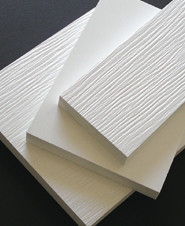
Figure 2. PVC Trim - Textured Finish Tyvek House Wrap
When replacing siding, we recommend the use of a home wrap such as Tyvek. It provides you with the following 3 key advantages:
- Prevents Energy Loss - Keeps warmth inside your house.
- Protects Substructure - Protects the underlying structure (framing, joists & floors) from water damage caused by rotting siding.
- Foundation Barrier - Provides an additional barrier between the bottom edge of the siding and the concrete foundation where moisture can wick into the back side of hardboard siding.
Brick Moldings
Brick Moldings are the 2" wide pieces of wood molding on the outer edges (sides and top) of your windows, doors and some garage doors. Generally, clad windows and some vinyl windows do not use brick moldings. Often these brick moldings will rot while the window frame is still intact. We can replace each brick molding with a new lifetime Vinyl Brick Molding which will never rot or deteriorate. The window sill on the base of the window (NOT shown here), may or may not be able to be replaced based on the extent of the damage.
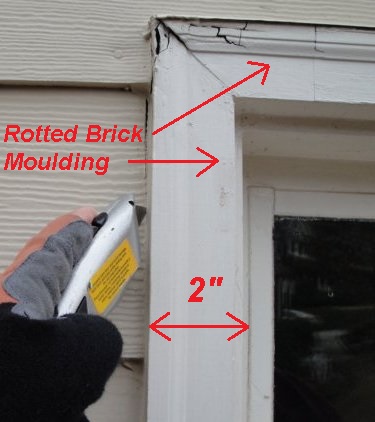
Figure 3. Rotted Window Brick Mouldings Ring Shank Nails
We use only the highest quality nails when doing siding & carpentry work and when installing windows & doors. They are hot-dipped galvanized nails, which have ring shanks. The ring shank is an arrow shaped ring around the nail, which allows it to slide into the wood, but keeps it from loosening back out over time. The hot-dipping process offers 10 times more corrosion resistance than platted nails. Paslode Hot Dipped Galvanized Nails meet or exceed ASTM A-153 (The highest standard of galvanization, average zinc coverage of 1 oz/ft with none below 0.85oz/ft) & NER 272 (minimum zinc coverage of 0.28oz/ft).Caulking
When installing siding & trim, Scott's Painting & Staining Inc. uses one of the following types of caulking:
- OSI QUAD Window, Door & Siding Sealant - Composed of elastomeric polymers and high-quality resins. It offers superior adhesion characteristics and unmatched elasticity. It yields a tough, rubbery seal which resists outdoor weather-related elements like water, oxygen, ozone, heat and UV light. The formula skins over in a short time to resist dust and dirt, and can be used in below 0 temperatures.
- Vulkem 116 - Durable, flexible and offers excellent performance in moving joints. It can be applied in sub-zero temperatures. However, Vulkem 116 will cause paint discoloration over time, if it is painted within 6 months of application.
- Sherwin Williams - Siliconized Acrylic Latex - Performs better in smaller span joints. It is water based and paintable within minutes and offers outstanding paint adhesion and flexibility during large temperature swings.
Siding Styles & Siding Types
Below are the most common types of siding in the Omaha, Elkhorn, Millard, Papillion, La Vista, Bellevue, Bennington, Waterloo, Chalco, and Gretna areas.
Horizontal Lap Siding
Each strip is an individual piece, usually 8" wide with about 7" exposed. Available in all material types: Hardboard, Fiber-cement, Cedar and PVC. The look of the Hardboard siding is identical to that of the Fiber-cement siding so we splice in Fiber Cement Siding seamlessly to replace only the rotted hardboard siding. Lap Siding it most often used on the front of homes due to its elegant looks. This siding is also used on fascia boards near the roofline and behind gutters.

Double Lap Siding & Triple Lap Siding
(Clapboard Siding)
Each piece of siding contains 2 or 3 strips. This type of siding usually has about a 1" groove at the top of each strip. The size of each strip can be from 2" to 5". Available only in Hardboard Siding. We can use traditional single lap horizontal siding to mimic the look of Double Lap Siding. However, the single lap siding won't have the 1" groove at the top of each lap. We recommend replacing an entire section of the house when switching from Hardboard Double Lap Siding or Clapboard Siding to Fiber Cement Siding.

8" O.C. Vertical Panel Siding
8 inch On-Center Vertical Panel Siding is typically used on the sides and backs of homes. Available in 4'x8' and 4'x9' sizes. This type of siding comes with grooves every 8". Available in Wood, Cedar, and Fiber cement. Fiber-cement siding is only available with 8" grooves.

12" O.C. Vertical Panel Siding
12 inch On-Center Vertical Panel Siding is typically used on the sides and backs of homes. Available in 4'x8' and 4'x9' sizes. This type of siding comes with grooves every 12". Available in Hardboard and Cedar. 12" grooves are not available in Fiber Cement Concrete Siding.

Stucco Siding
Vertical panel siding, with a Stucco finish. Available in Hardboard and Fiber Cement. The look of the Hardboard siding is almost identical to that of the Fiber-cement siding, so the Fiber Cement Siding may be patched into just the rotted areas.

Soffit Panel Siding
Panel siding, with a textured wood finish. Available in Hardboard and Fiber Cement. Also available in Fiber Cement with continuous soffit vents built in. The Hardboard and Fiber Cement finishes are almost identical, so the Fiber Cement Siding may be substituted.

How to Identify Rotted Siding
Some of the ways for homeowners to determine if they need to consider siding repair or replacement are listed below. A few critical signs that indicate your siding requires maintenance include:
- Rotting or warped areas
- Cracked seams or loose siding
- When pressing on the siding it is spongy
- You can press a hole through the siding with your finger
- Fungus, mold or mildew growing on siding
- Bubbled or swelled siding
- Holes in the siding
- Dry rot
- Peeling paint, loose wallpaper, or yellow water damage on ceilings inside the home
- Severely faded siding
- Your home requires frequent painting
- High heating and cooling bills

Fiber Cement Siding
Congratulations! If you are lucky enough to have Fiber Cement siding then you do not need to read further because your Fiber Cement siding will not be rotting!
Hardboard Siding Identification
Look down the length of the house for any "bubbled" or "swollen" looking surfaces, they are generally near the bottom of each piece of siding. You can usually see the damage if you look at the area in question in the sunlight and at the correct angle. A bit of a shadow may be created. Inspecting the house right after a long wet rainy period will assist in seeing the rotted areas because the moisture can cause the siding to temporarily swell further and become soft to the touch.
It is easier to see these areas when painted with a Satin Paint as compared to a Flat Paint. This means that if your house was originally painted in a flat finish, rotting or swelled areas that were not noticeable prior to painting may become visible after we repaint the house in a Satin Finish. Scott's Painting & Staining Inc. uses Satin as our standard finish, because it has better water repellency, which benefits Hardboard siding. The following is a list of common problem areas:

Figure 11. Rotted Hardboard Siding along Foundation
- The bottom of the siding is generally the first part to rot. Additionally, the siding closest to the ground will most likely be the first to rot. Concrete foundations provide a source of moisture which the siding will suck up like a sponge when it is directly against the backside of the Hardboard siding. When Scott's Painting & Staining Inc. repairs siding in these areas, we always recommend using Tyvek house wrap to act as a barrier between the siding and the concrete foundation.
- With lap siding, the bottom edge is usually the first part of the siding to rot. This means the bottom of each strip or piece of siding. Each piece can be anywhere from 4" to 12" apart when double-lap siding or triple-lap siding is used.
- Around windows. The metal drip cap or flashing, (the metal piece that should be above the window) can either be missing, too short or not properly caulked. In any of these cases, water will seep in around the top edges of the window and run down the backside of the siding. When this happens, the siding can actually rot from the inside out. In these cases, the window may be rotted or damaged too, or at least the Brick Molding. The brick moldings can be replaced independently from the windows.
- Near the end of a gutter. If the metal flashing from the roof is too short, bent incorrectly or does not use a kick-out flashing, water may leak in behind the siding just as it could with the windows.
If you find any of these "swollen" areas and you can reach them, try to gently press on the area with your fingers. If the wood is badly rotted, it may be soft to the touch, especially after a hard rain. Pressing too hard can actually puncture the wood if it's badly rotted. If the wood has time to dry out, it may not be soft to the touch but could still be damaged. But it will remain "swollen". Scott's Painting & Staining Inc. Specializes in all types of replacement of siding in Omaha, including fiber cement concrete siding services.
Cedar and Pine Wood Siding
Wood siding generally lasts much longer than Hardboard siding. Hardboard siding may begin to rot without any noticeable water problems, this is usually not true with wood siding. Most of the time wood siding is cedar, which is naturally rot resistant. Therefore, if it is rotting there is usually a moderate leak or issue. The rotted area may be soft and spongy. If the wood is allowed to dry out for a considerable length of time, it may dry out and no longer be spongy. Other issues could be dry rot or termites. Dry rot is a fungus that causes the wood to crumble. If you press on an area like this the wood may disintegrate.

Figure 12. Cedar Trim Completely Rotted Away Doors & Windows
As mentioned above, siding around a window or door that has not been properly installed or sealed may begin to rot. Usually when this happens, the window/door may be rotted too. Keep in mind that if the window/door is rotted, the siding around the window/door may not be rotted. The first part that usually rots is the outside of the window, also known as the Brick Molding.
This is the 2", outer strip of wood, which is on the sides and the top of windows and doors. The bottom of the window/door, (the sill) may be rotted too. If the rotted window/door is detected early enough, it can be repaired. Scott's Painting & Staining Inc. can replace the rotted brick moldings. We use new, lifetime vinyl brick moldings and then seal them with a high-grade sealant. If the inner part of the window/door is rotted, then the entire unit may need to be replaced. Scott's Painting & Staining Inc. can recommend the best solution during an onsite estimate.

Figure 13. Window without Brick Moldings, Siding Decayed & Cracked
Let Scott's Painting & Staining Inc. show you why we are Omaha's Painting & Siding Contractor of Choice!
Class Action Lawsuits
Hardboard Warranties
- As a Professional Siding Contractor, we are often asked about hardboard warranties and class-action lawsuits. We provide the links below with information about manufacturer's warranty lawsuits and how to get reimbursed for rotted siding. They also help you determine and identify the manufacturer of your siding. Most of these lawsuits have already expired.
Siding Manufacturers
- Below is a list of the main Siding Manufacturers with warranted siding:
Frequently Asked Questions
What types of siding repair do you offer in Omaha, NE?▼
We specialize in repairing all types of siding, including wood, vinyl, and fiber cement. Whether it’s minor damage or extensive repairs, our Omaha-based siding specialists ensure your home exterior is restored to perfection.
Do you handle exterior trim and home siding repairs together?▼
Yes, we offer comprehensive home exterior repair services in Omaha, NE. From fixing damaged siding to replacing or refinishing exterior trim, our experienced contractors deliver seamless results.
Can you help with wood siding repairs in Omaha?▼
Absolutely! As expert wood siding contractors, we repair cracks, rotting wood, and other issues to restore the durability and beauty of your home’s exterior.
Are you siding specialists serving both residential and commercial properties in Omaha?▼
Yes, we provide siding repair and installation services for both residential and commercial properties. Whether you need minor repairs or a complete siding upgrade, our Omaha NE siding experts are here to help.
How do I choose the best siding company in Omaha for my project?▼
Look for siding companies in Omaha, NE, with proven experience, positive 5-star customer reviews, and a range of services like siding repair, replacement, and exterior trim work. Scott's Painting & Staining Inc is proud to check all these boxes!
Why choose Scott’s Painting & Staining Inc as your siding contractor in Omaha?▼
As one of the leading siding companies in Omaha, NE, we provide top-quality craftsmanship, timely service, and personalized solutions. Our team is experienced in siding repair, exterior trim work, and full siding replacement, making us your trusted home exterior repair partner.